



Founded in Oakland in October 1966, the Black Panther Party became one of the most influential organizations of the Black Power era. Six decades later, its legacy continues to shape conversations about community service, political organizing and Black empowerment.
October 2026 marks the 60th anniversary of the founding of the Black Panther Party, an organization whose impact extended far beyond its Oakland origins.
Founded on October 15, 1966, by Huey P. Newton and Bobby Seale, the Black Panther Party for Self-Defense emerged during a period of intense racial inequality, police brutality and demands for political and economic change.
The organization became internationally recognized for its political activism and confrontations with law enforcement.
But its history also includes an extensive network of community programs designed to address the everyday needs of Black families.
Beyond the Black Berets
The Black Panther Party established initiatives that included free breakfast programs for children, community health clinics, education programs and sickle cell anemia testing.
These efforts were part of what the organization called its survival programs.

The programs reflected a belief that community empowerment required addressing immediate needs such as food insecurity, healthcare access and education.
While the party’s political activities generated national attention and controversy, its community-service initiatives also left a lasting legacy.
The Black Panthers in Los Angeles
Los Angeles became an important center of Black Panther Party activity during the late 1960s.
The Southern California chapter was associated with prominent organizers including Alprentice “Bunchy” Carter and John Huggins.
The chapter operated amid intense political tensions, including conflicts with law enforcement and other organizations.
On December 8, 1969, Los Angeles police conducted a major raid on the Black Panther headquarters on Central Avenue, resulting in a lengthy confrontation that became one of the defining episodes in the chapter’s history.
The Los Angeles chapter remains an important part of the broader story of Black political organizing in Southern California.
A Legacy That Continues Today
The party’s history includes both significant achievements and serious controversies.
Its members faced extensive government surveillance and disruption, while the organization also experienced internal conflicts and allegations of misconduct.
Understanding that full history is essential to understanding its influence.
Six decades later, the party’s community-service model remains part of discussions about food security, healthcare, education, mutual aid and neighborhood organizing.
Many of the challenges that motivated its creation remain subjects of public debate today.
Oakland Marks the Anniversary
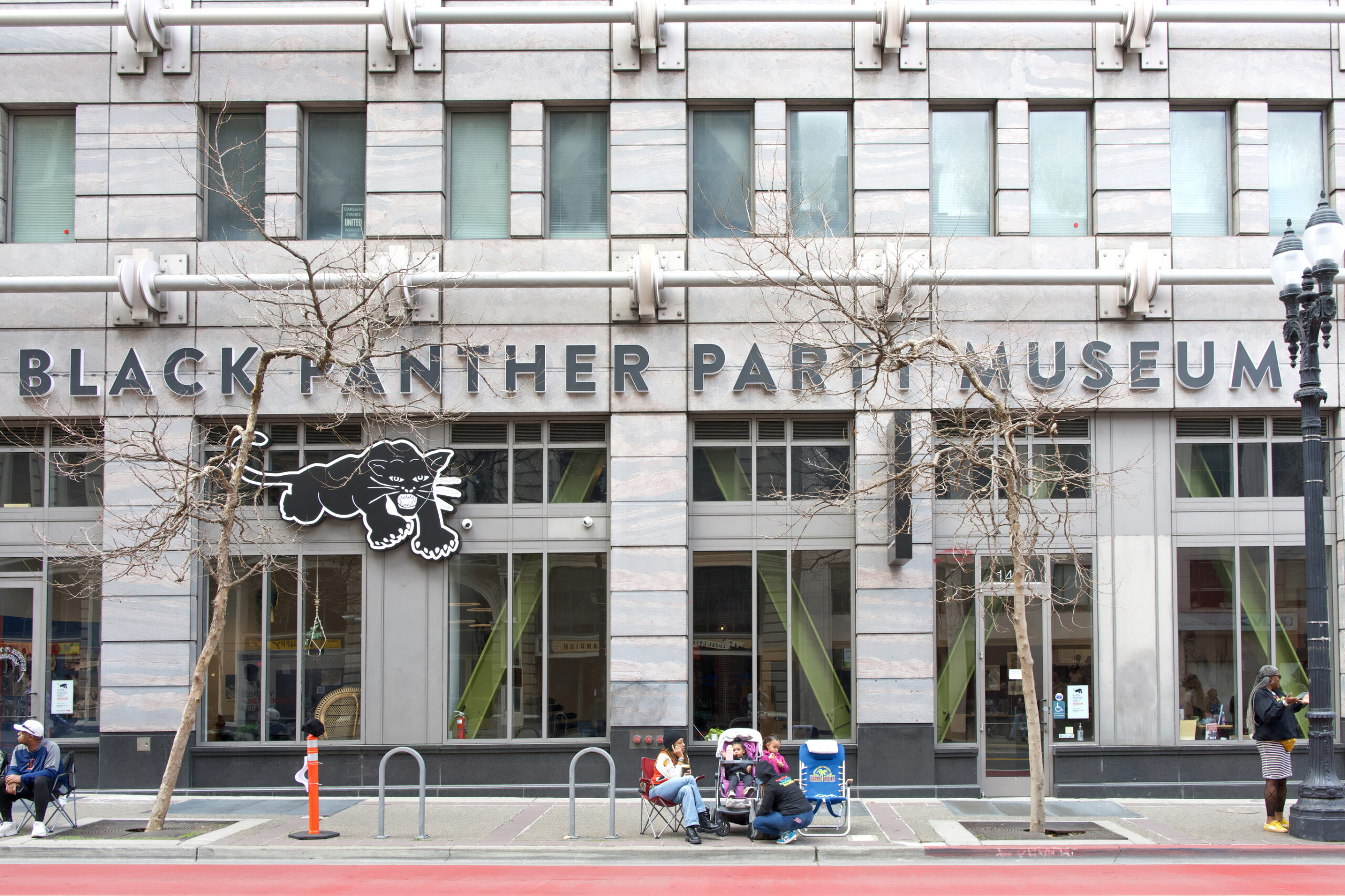
In October 2026, Oakland hosted a series of events commemorating the organization’s founding.
The anniversary included discussions, educational programming and recognition of former members.
A section of Broadway in Downtown Oakland was also dedicated as Black Panther Party Boulevard on October 17.
For Los Angeles, the anniversary provides an opportunity to examine the city’s own Black Panther history and the role local organizers played in the larger movement.
It is also an opportunity for younger generations to learn about an organization whose influence extended across politics, education, healthcare and community activism.